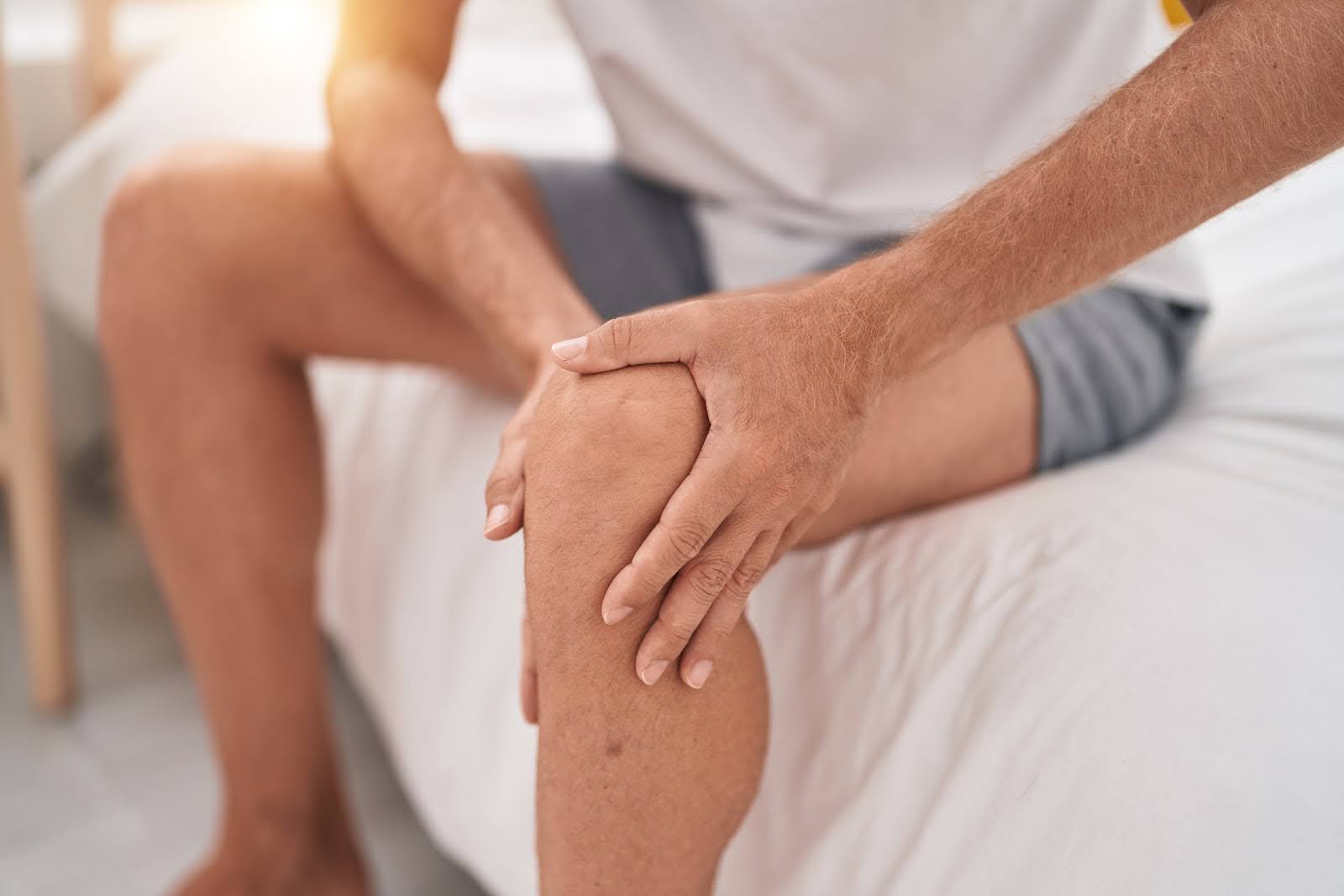
Managing Knee Pain While Staying Active: Dos and Don’ts

Key Takeaways:

  • Knee exercises for pain—such as quad sets, straight leg raises, and glute bridges—can strengthen the muscles around the joint and improve stability without adding strain. Focus on form and control rather than speed or intensity.
  • Not all knee pain means you have to stop working out—low-impact activities like swimming, cycling, and using the elliptical can help you stay active while protecting your knees.
  • Watch for red flags like swelling, sharp pain, or joint instability. These signs may signal the need to pause your routine and consult a healthcare provider.
  • Supportive shoes, proper warm-ups, and recovery strategies like RICE (Rest, Ice, Compression, and Elevation) alternating with heat therapy help keep your knees safe during exercise.

Knee pain is one of the most common complaints among active adults. In fact, nearly 25% of adults experience some form of knee discomfort, and that number has climbed nearly 65% over the past two decades—resulting in close to 4 million doctor visits each year.

The good news? You don’t have to give up your workouts. With the right approach, you can continue training without putting extra stress on your knees—or making things worse.

This guide covers practical dos and don’ts for managing knee pain while working out—including smart exercise choices, what to avoid, and how to modify movements safely.

Before starting any exercise routine, it’s important to consult with your doctor to ensure it’s safe and appropriate for your condition.

What you should know before exercising with knee pain

Some knee discomfort doesn’t mean you have to stop moving

Mild aches, stiffness, or soreness—especially after sitting too long or finishing a workout—are common and may improve with consistent movement. In many cases, gentle activity can actually help your knees feel better.

There are signs you shouldn’t ignore

Sharp or sudden pain, swelling, a popping sound at the time of injury, or any locking or buckling of the joint are reasons to pause. If your pain gets worse during or after activity or lasts more than a few days, it’s best to check in with a healthcare provider before continuing.

Pay attention to how your body responds

The goal isn’t to push through pain but to move in a way that supports your knees, not strains them. If a movement feels off, stop and modify it. Staying active is important—but protecting your knees comes first.

Dos: Smart ways to stay active

Person sitting on a mat and tying the laces of a white athletic shoe, preparing for a workout.


  1. Stick to low-impact activities: Running and jumping can strain already sensitive joints. Instead, opt for gentler forms of cardio like swimming, cycling, or using the elliptical machine. These keep you moving without the pounding impact on your knees.
  2. Build strength around the joint: Strong muscles support your knees and take pressure off the joint. Focus on knee exercises for pain that target the quads, hamstrings, glutes, and calves. Try movements like quad sets, step-ups, and glute bridges—these help stabilize the knee and improve function over time.
  3. Wear the right shoes—and consider cushioned insoles: Footwear can affect your knees more than you might think. Supportive shoes that match your activity and foot shape can reduce stress on your knees, especially if you have flat feet or high arches. Cushioned insoles may also help, particularly for those with osteoarthritis or alignment issues.
  4. Keep your joints mobile: Add flexibility and mobility work into your routine. Gentle stretches and mobility drills help improve range of motion, reduce compensations, and may ease some of the tension around your knees.
  5. Follow the RICE method after minor injuries: Rest, ice, compression, and elevation can calm down a flare-up or minor injury. It’s a simple, effective way to manage short-term pain and swelling before jumping back into your workouts.
  6. Consider acupuncture: Some people find relief from knee discomfort with acupuncture. It may be worth exploring as a supplemental option, especially for chronic pain.
  7. Manage your weight: Even small weight changes can make a noticeable difference. Carrying less weight reduces the load on your knees during daily movement and workouts.
  8. Use walking aids if needed: Crutches, canes, or knee braces can provide extra support when your knee feels unstable. Using them early can help you stay mobile and avoid making the pain worse.
  9. Use heat or cold appropriately: Cold packs are great during the first couple of days after a flare-up. After that, gentle heat can help relax stiff joints and soothe lingering soreness.
  10. Get professional advice early: If the pain is new, persistent, or worsening, don’t wait it out. Seeing a doctor or physical therapist early helps you address the root cause and avoid further damage.

Don’ts: Common mistakes to avoid

Woman stretching on a blue exercise mat, reaching for her foot in a gym setting.

  1. Don’t ignore sharp or lingering pain: Mild soreness can be manageable, but sharp, sudden, or long-lasting pain is a sign to stop. If something doesn’t feel right, get it checked out—pushing through may do more harm than good.
  2. Don’t avoid strength training altogether: It might feel counterintuitive, but skipping strength work—especially for your hips and glutes—can weaken the support system around your knees. If you’re unsure where to start, consider guided workouts or physical therapy.
  3. Don’t default to high-impact exercises: Your body doesn’t need to take a beating to stay strong. Avoid jump-heavy routines or long-distance running if your knees are acting up—especially without proper recovery time or form.
  4. Don’t skip your warm-up or cool-down: This step isn’t just for pro athletes. A solid warm-up helps prepare your joints and muscles for movement. Skipping it can leave your knees vulnerable to strain or stiffness post-workout.
  5. Don’t ignore form or alignment: Even a simple squat can backfire if your knees are caving in or your weight isn’t balanced. When in doubt, slow down, check your posture, or reduce your range of motion.
  6. Don’t do what doesn’t feel right: You don’t need to stick with a move just because it’s in the workout. Modify as needed. Pain or instability is your cue to adjust—not push through.
  7. Don’t overdo rest: Complete inactivity can weaken key muscles around your knee. Movement (done right) often supports recovery better than staying still.
  8. Don’t set yourself up for a fall: Unstable knees and cluttered spaces don’t mix. Make your workout environment safe. Clear your area, wear proper footwear, and use support when needed.
  9. Don’t try to figure it out alone: Knee pain that’s new, worsening, or affecting your mobility deserves professional attention. The sooner you get clarity, the sooner you can train with confidence.
  10. Don’t rely on painkillers as a long-term solution: Over-the-counter medications can mask pain, but they don’t fix the underlying issue. Relying on them to push through workouts may delay proper treatment—and could make the problem worse over time.

Best knee exercises for pain management

Image of a man swimming in a pool, demonstrating an active and healthy lifestyle with focus on fitness and joint mobility

You don’t have to stop moving—just choose movements that support your knees instead of straining them. The right exercises can strengthen the muscles around your knees, improve joint stability, and keep discomfort in check. 

Here are some exercise for knee pain options to consider including in your routine:

Low-impact cardio

These exercises keep you moving without putting extra stress on your knee joint:

  • Stationary biking: A joint-friendly way to build quad strength and improve endurance. You control the resistance, making it easy to tailor your workout based on how your knees feel that day.
  • Swimming or water aerobics: The buoyancy of water supports your body weight, easing pressure on your knees while still providing a full-body workout. It’s especially useful if you’re managing swelling or stiffness.
  • Elliptical machine: Offers a smoother motion than running, with no hard impact on your joints. It also helps maintain cardio fitness while giving your knees a break from repetitive pounding.

Targeted strengthening exercises

Try these knee exercises for pain at home or in the gym:

  • Wall sits: Strengthen your quads and glutes while keeping pressure off your knee joint. Stand with your back flat against a wall and slowly slide down until your knees are bent at a 90-degree angle. Hold the position for 15 to 30 seconds, keeping your leg muscles engaged the whole time.
  • Clamshells: Lie on your side with your knees bent and your feet together. Keeping your feet touching, lift your top knee while keeping your left leg (or whichever leg is on the floor) steady. This activates your glutes and helps stabilize the leg muscles that support your knees.
  • Glute bridges: Lie on your back with both knees bent and your feet flat on the floor. Press through your heels to lift your hips, squeezing your glutes at the top. This move strengthens your hips and core, which helps relieve knee pain by improving alignment and reducing joint stress.
  • Step-ups: Stand in front of a step or sturdy platform. Step up with one leg (e.g., your left leg), bring the other leg up to meet it, then step back down with control. Alternate sides. This improves strength, stability, and balance in one leg at a time—essential for everyday movement.
  • Quad sets: Sit on the floor or a firm surface with your leg straight in front of you. Tighten your thigh muscles to push the back of your knee straight down into the floor. Hold for 5 seconds, then relax. This is a gentle but effective way to activate your quads and support joint stability.
  • Straight leg raises: Lie on your back with one leg bent and the other leg straight on the floor. Tighten the muscles in your straight leg (especially your quads), then slowly raise it about 12 inches off the ground. Pause at the top, then slowly lower it back down with control. Once this feels easy, you can add a light ankle weight (usually 1-5 lbs.) to gently increase resistance and build more strength.

These exercises focus on control and stability, not speed or intensity. Start slowly, focus on proper form, and increase difficulty only if your knees feel comfortable. Stop immediately if any movement is causing pain.

Find out if you are a candidate


Take Risk Assessment Now

When to rest, recover, or see a specialist

Physical therapist helping a man with a knee mobility exercise during a rehabilitation session, focusing on improving flexibility and strength for knee recovery

Not all knee pain means you need to stop exercising—but knowing when to take a break or get expert advice can save you from making things worse.

Red flags to watch for

If you notice any of the following, pause and seek medical input:

  • Swelling that doesn’t go down
  • A knee that locks up or feels like it might give out
  • Sharp, stabbing pain during movement
  • Audible popping at the time of injury
  • Difficulty bearing weight or bending the knee

When workouts should wait

Working out with knee pain is fine in some cases, especially if the pain is mild and improves with movement. But if the pain worsens during or after exercise—or starts affecting your gait, balance, or range of motion—it’s best to stop and reassess.

Why physical therapy can help

A physical therapist can create a personalized plan that fits your needs, limitations, and goals. Whether you’re recovering from an injury or managing chronic pain, targeted guidance can improve your strength, mobility, and confidence.

Final thoughts: Stay active—but listen to your knees

Knee pain doesn’t have to sideline your fitness goals. With the right mix of smart movement, joint-friendly exercises, and a little patience, you can stay active without putting unnecessary stress on your knees. The key is knowing your limits, watching for red flags, and choosing exercises that support—not strain—your joints.

If your knee pain continues or gets worse, it’s worth taking the next step. Start with a free risk assessment or find a doctor near you to get the guidance you need. The sooner you have a clear plan, the sooner you can get back to moving with confidence.


Understanding Osteoarthritis: How It Affects the Knee Joint

Knee pain can change how you move, work, and live your daily life. For millions of people, that pain is caused by osteoarthritis, a condition that slowly wears away the joint cartilage meant to cushion and protect the bones.

At first, it might feel like occasional stiffness or a little discomfort after a long day. But as osteoarthritis progresses, the affected joint can become more painful, swollen, and even harder to move.

Since the knee joint is one of the body’s main weight-bearing joints, it’s also one of the most commonly affected areas, making even simple movements like standing up or walking upstairs more painful over time.

So what exactly happens when osteoarthritis affects the knee? And more importantly, what can you do to slow it down and relieve the pain?

Key Takeaways:


  • Knee osteoarthritis develops gradually, with causes ranging from aging to past injuries.
  • Common symptoms include knee pain, stiffness, swelling, and reduced mobility.
  • Physical therapy, exercise, and weight management can help reduce the strain on the knee joint.
  • Minimally invasive treatments like genicular artery embolization (GAE) offer pain relief without surgery.
  • Knee replacement surgery may be needed in severe cases when other treatments no longer work.

What Is Osteoarthritis and Why Does It Affect the Knee?

Millions of people worldwide deal with osteoarthritis (OA), making it the most common type of arthritis. It’s a degenerative joint disease that develops when the cartilage in a joint gradually breaks down, leading to joint pain, stiffness, and inflammation.

While osteoarthritis can affect any joint, it is most common in the knees, hips, hands, and spine. The knee joint, in particular, is one of the most commonly affected joints because it bears a lot of weight and absorbs repeated impact with daily movement. As the cartilage wears away, the bones rub against each other, causing pain, swelling, and reduced range of motion.

The Role of Cartilage and How It Breaks Down Over Time

To understand osteoarthritis, it helps to first understand how a healthy knee joint functions. The knee is a weight-bearing joint, meaning it supports your body whenever you walk, run, or even stand still. It connects three major bones:

  • The femur (thigh bone)
  • The tibia (shin bone)
  • The patella (kneecap)

At the ends of these bones is a protective layer of cartilage, a slippery tissue that helps the knee move smoothly. Cartilage absorbs shock, reduces friction, and allows bones to glide past each other without pain. Think of it like a cushion that prevents bone-on-bone contact when you bend or straighten your knee.

However, cartilage is not indestructible. Over time, wear and tear, past joint injuries, excess weight, and genetics can all contribute to its gradual breakdown. When this happens:

  • The cartilage thins out, providing less protection and less cushioning.
  • The bones rub against each other, leading to joint damage and inflammation.
  • Bone spurs (bony growths) may form, making movement even more difficult.
  • The soft tissues and joint lining become irritated, increasing pain and stiffness.

Since cartilage has no blood supply, it can’t heal itself like other tissues in the body. Once it’s gone, the damage is irreversible, which is why osteoarthritis is a degenerative condition that progresses and worsens over time.

What Are the Knee Symptoms of Osteoarthritis?

Knee osteoarthritis doesn’t appear overnight. At first, you might feel minor knee pain after the activity, but as the condition progresses, symptoms become more persistent. Everyday movements, like standing up or walking, may start to feel more difficult. Common symptoms include:

  • Joint stiffness, especially in the morning
  • Swelling and inflammation in the knee joint
  • Persistent knee pain that worsens with movement
  • Grinding or popping sensations due to cartilage breakdown
  • Weakness or instability, making the knee feel like it could give out

Over time, chronic knee pain and joint inflammation can limit mobility, making early diagnosis and treatment essential.

Causes and Risk Factors of Knee Osteoarthritis

Not everyone develops knee osteoarthritis in the same way. While aging plays a big role, other factors can speed up the process, making joint pain and inflammation harder to ignore.

  1. Age and genetics

As you get older, your joints take on more wear and tear, and cartilage doesn’t repair itself as well as it used to. If knee osteoarthritis runs in your family, you might start noticing symptoms earlier, especially if you inherited weaker joint structures or a tendency for cartilage breakdown.

  1. Previous injuries and surgeries

Do you have an old sports injury or accident you brushed off years ago? It might come back to haunt you. Even after healing, a damaged joint never fully functions the same, making it more vulnerable to wear and tear over time. The same goes for past knee surgeries—while they may fix immediate issues, they can sometimes increase the risk of osteoarthritis later on.

  1. Repetitive stress on the knee

If your job or hobbies put constant pressure on your knees, you might be wearing down joint cartilage without realizing it. Jobs that require kneeling, heavy lifting, or standing for long hours, as well as high-impact sports, can speed up the breakdown of cartilage, leading to chronic knee pain earlier in life.

  1. Excess weight and knee health

Your knees take the brunt of your body weight, and every extra pound adds more stress to the joint. Over time, this added pressure wears down cartilage faster, making joint pain and inflammation worse. Even a small drop in weight can reduce strain on the knees and help ease painful movement.

  1. Health conditions linked to osteoarthritis

Some health issues don’t just affect your overall well-being—they can also speed up joint damage. Conditions like diabetes, high cholesterol, and autoimmune diseases can contribute to inflammation and cartilage breakdown, making it harder for your joints to stay healthy.

Find out if you are a candidate


Take Risk Assessment Now

How Is Knee Osteoarthritis Diagnosed?

A healthcare provider will assess your knee joint, ask about your symptoms, and determine what is causing your persistent knee pain. Since other conditions, like rheumatoid arthritis, can have similar symptoms, further testing may be needed to confirm if you have knee osteoarthritis.

  • Physical exam and medical history. A doctor will check for joint inflammation, stiffness, and limited movement while asking about pain relief methods you’ve tried. They may also ask if your knee pain gets worse with certain activities.
  • Imaging tests. X-rays and MRI scans help reveal cartilage loss, bone spurs, or joint damage. Diagnostic imaging can also show if the knee lining is affected.
  • Blood tests. While there is no specific blood test for osteoarthritis, doctors may use them to rule out other conditions like autoimmune diseases that also cause joint pain.

What Are the Best Treatments for Knee Osteoarthritis?

Elderly person holding their knee in pain

Knee osteoarthritis can make daily movement challenging, but the right treatments can help manage knee pain and keep you active. The best approach depends on pain severity, joint damage, and overall health.

Lifestyle Changes That Can Help

Staying active is one of the best ways to reduce inflammation and improve knee function. Physical therapy strengthens muscles around the knee joint, helping with stability and movement. Maintaining a healthy weight also eases the strain on the knee lining and joint cartilage, minimizing further wear and tear. Even small changes in daily habits can make a big difference.

Medications and Pain Relief Options

For mild to moderate knee osteoarthritis, pain medications like acetaminophen or anti-inflammatory medications can help with discomfort. Steroid injections may be recommended for persistent knee pain when other treatments aren’t enough. Some patients find relief with knee injections that reduce inflammation. The goal is to manage pain and swelling while keeping the knee joint as functional as possible.

Genicular Artery Embolization (GAE): A Minimally Invasive Option

For those dealing with chronic knee pain, the genicular artery embolization procedure (GAE) is a promising non-surgical treatment. This minimally invasive procedure works by using a small catheter to block the blood flow to the inflamed knee arteries, reducing pain and swelling. It’s a great option for patients who aren’t ready for knee replacement surgery and want a procedure with minimal downtime.

When Is Surgery Necessary?

If other treatments fail, knee replacement surgery may be the next step. This surgical procedure replaces the damaged knee joint with an artificial one, restoring mobility and reducing debilitating knee pain. While recovery takes time, most patients see a significant improvement in pain and function. Physical therapy after surgery helps patients return to normal activity as they heal.

How Can You Manage Osteoarthritis in Daily Life?

When you develop osteoarthritis, even simple movements can feel more difficult. That doesn’t mean you have to give up on staying active. Small adjustments to your exercise routine, diet, and daily habits can help reduce pain, protect your joints, and improve mobility. The key is to find the right balance between staying active and minimizing strain on your knee joint.

Staying Active Without Increasing Pain

Keeping your painful joints moving is essential for joint health, but the right type of activity matters. Low-impact exercises help strengthen the knee joint and hip joint without adding stress.

  • Swimming, cycling, and walking keep joints flexible without high-impact strain.
  • Stretching and strength training improve stability and reduce pressure on the knees.
  • Physical therapy can help create a safe movement plan tailored to your condition.

Diet and Joint Health

What you eat can play a big role in managing pain and inflammation. A well-balanced diet supports cartilage health and helps prevent further joint damage.

  • Omega-3 fatty acids (found in fish, nuts, and seeds) help reduce inflammation.
  • Vitamin D and calcium-rich foods support strong bones and protect the knee joint.
  • Antioxidant-rich fruits and vegetables help improve pain levels and fight inflammation.

Making Simple Adjustments for Less Knee Strain

Small changes can make a big difference in daily comfort. The right support and modifications can help protect your knee joint and keep you moving with less discomfort.

  • Wear supportive footwear to reduce pressure on the knees.
  • Use assistive devices like braces or canes for extra stability.
  • Modify your home with grab bars, cushioned mats, and raised seating.
  • Adjust how you move—avoiding sudden twists and heavy lifting can protect your knee joint.

Managing knee osteoarthritis is making the right choices to stay active while protecting your joints for the long run.

Taking Control of Your Knee Osteoarthritis

When knee osteoarthritis starts, it might just feel like a bit of stiffness in the morning or knee pain after a long walk. But as the symptoms worsen, everyday activities can become more difficult. The good news is that early management can make a big difference.

A physical examination is a great first step. It helps a specialist see how your knee joint is moving and whether there are signs of joint inflammation or cartilage breakdown. The sooner you address the issue, the better your chances of keeping a healthy joint and avoiding more invasive treatments down the road.

It’s important to explore all treatment options, from physical therapy and anti-inflammatory medications to minimally invasive procedures like genicular artery embolization (GAE). The right approach can help reduce pain, improve mobility, and keep you doing the things you love.

At KneePain360, we’re all about helping people manage knee pain with care and expertise. Our team offers a patient-centered approach with innovative treatments designed to provide pain relief and improve quality of life.

If you’re not sure where to start, we offer a FREE risk assessment to help you understand your condition and find the best path forward. It’s a simple step that could make a big difference.

Take risk assessment now